Glass Fabrication and Leadlight Installation, South Yarra Melbourne
Date
July 1, 2025
For
Pandolfini Architects
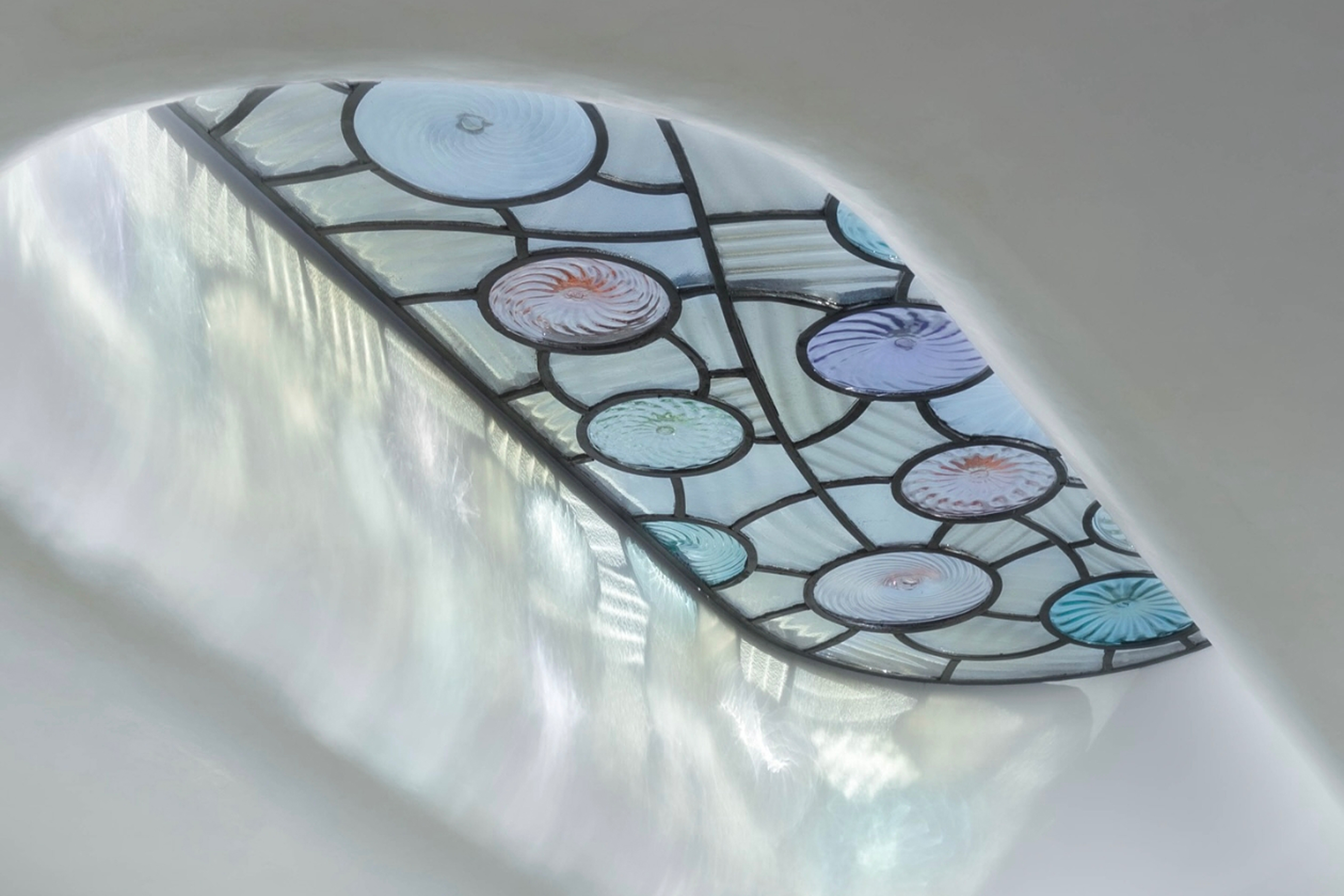
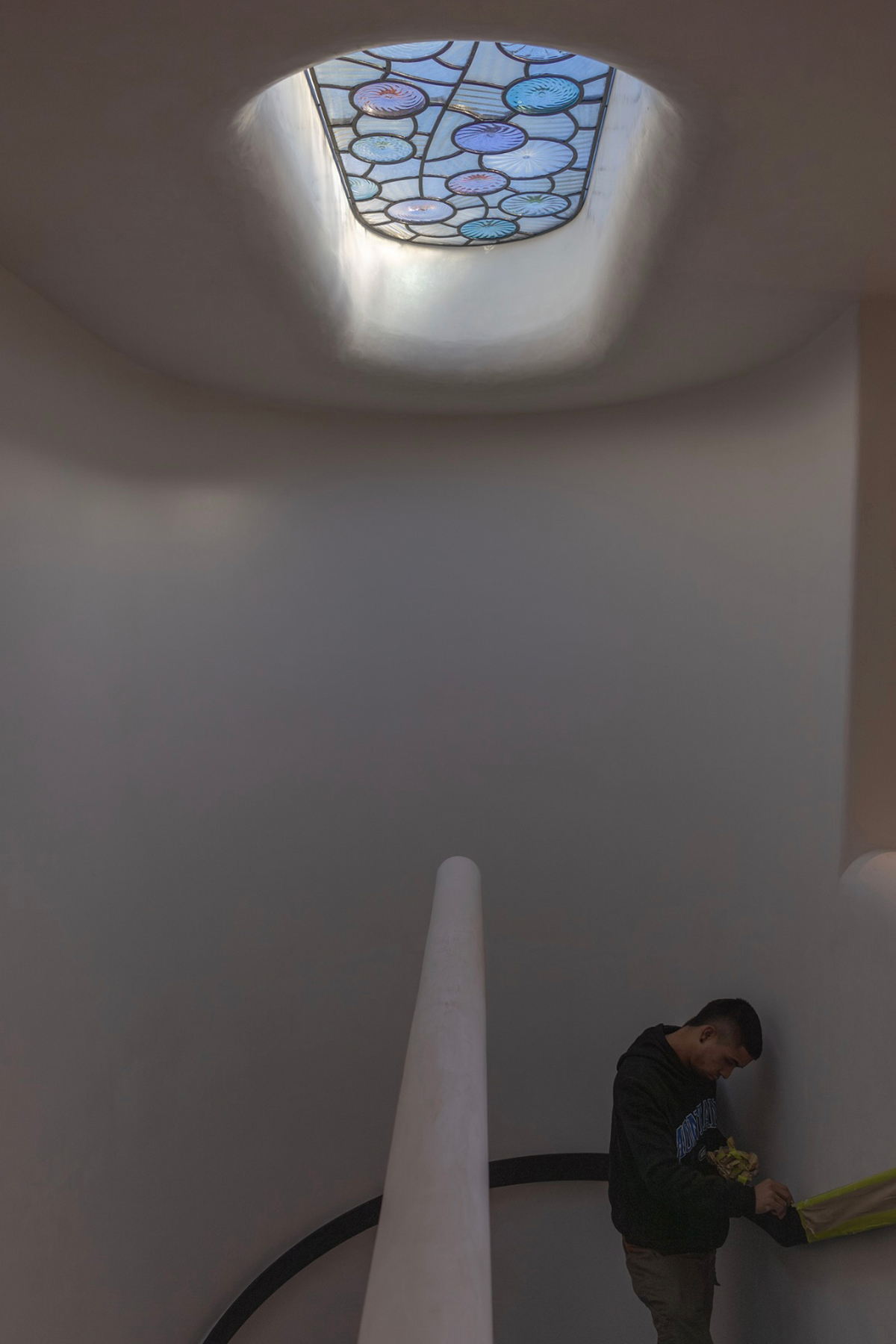
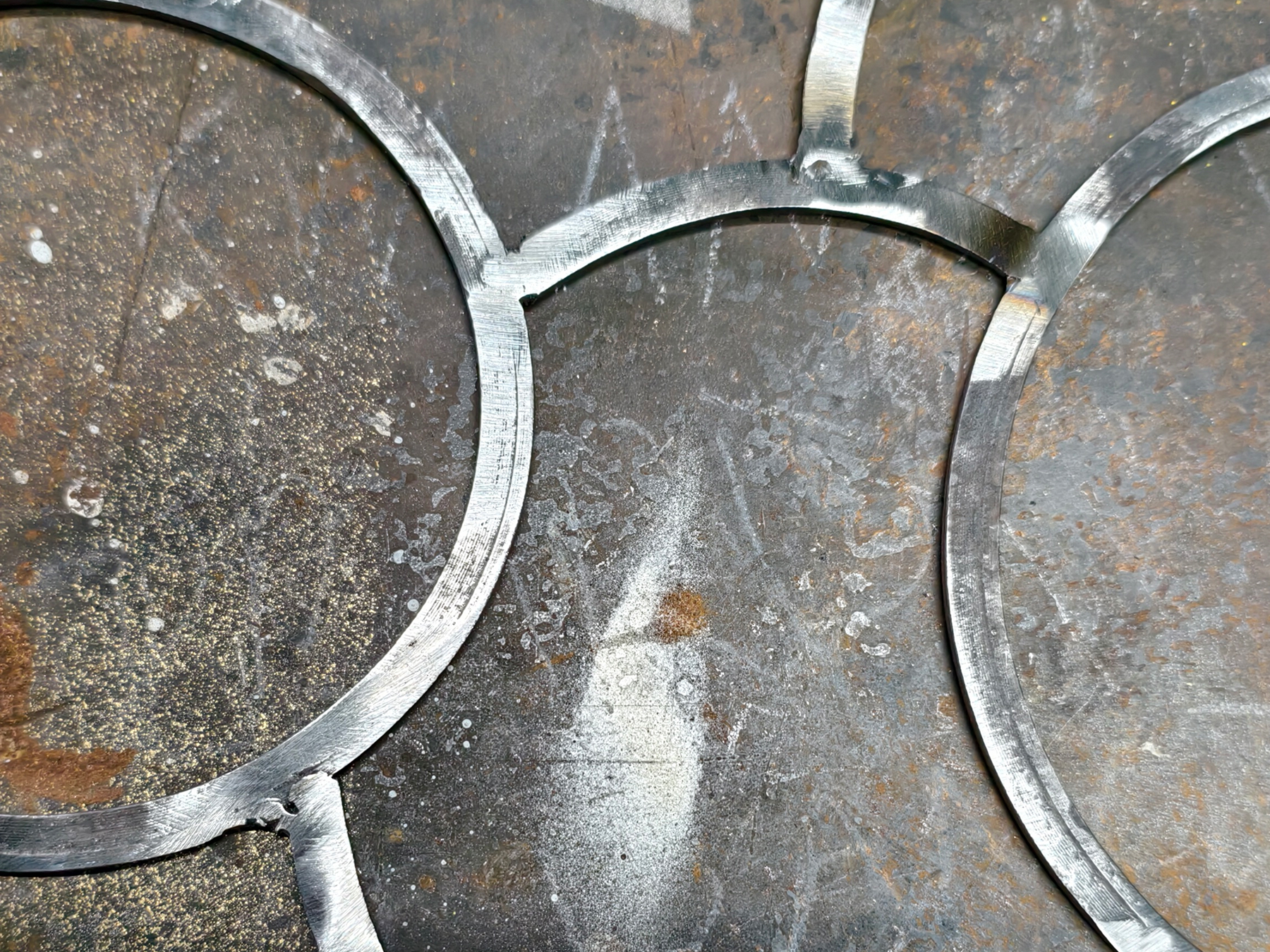
A skylight installation developed for a private residence in South Yarra brings together cast and blown glass with fabricated metalwork, shaped through a close collaboration between Studio Dokola, Pandolfini Architects and Bent Metal. The project began as a conversation with blacksmith David Wood of Bent Metal, establishing the form of the metal framework before moving into the development of the glass elements.
A studio visit with Dom Pandolfini and the homeowners set the direction for the work, where colour palettes, optical patterns and glass forms were explored through a series of material demonstrations. From this process, two distinct approaches to glassmaking were selected, both drawn from historical methods of producing window glass.
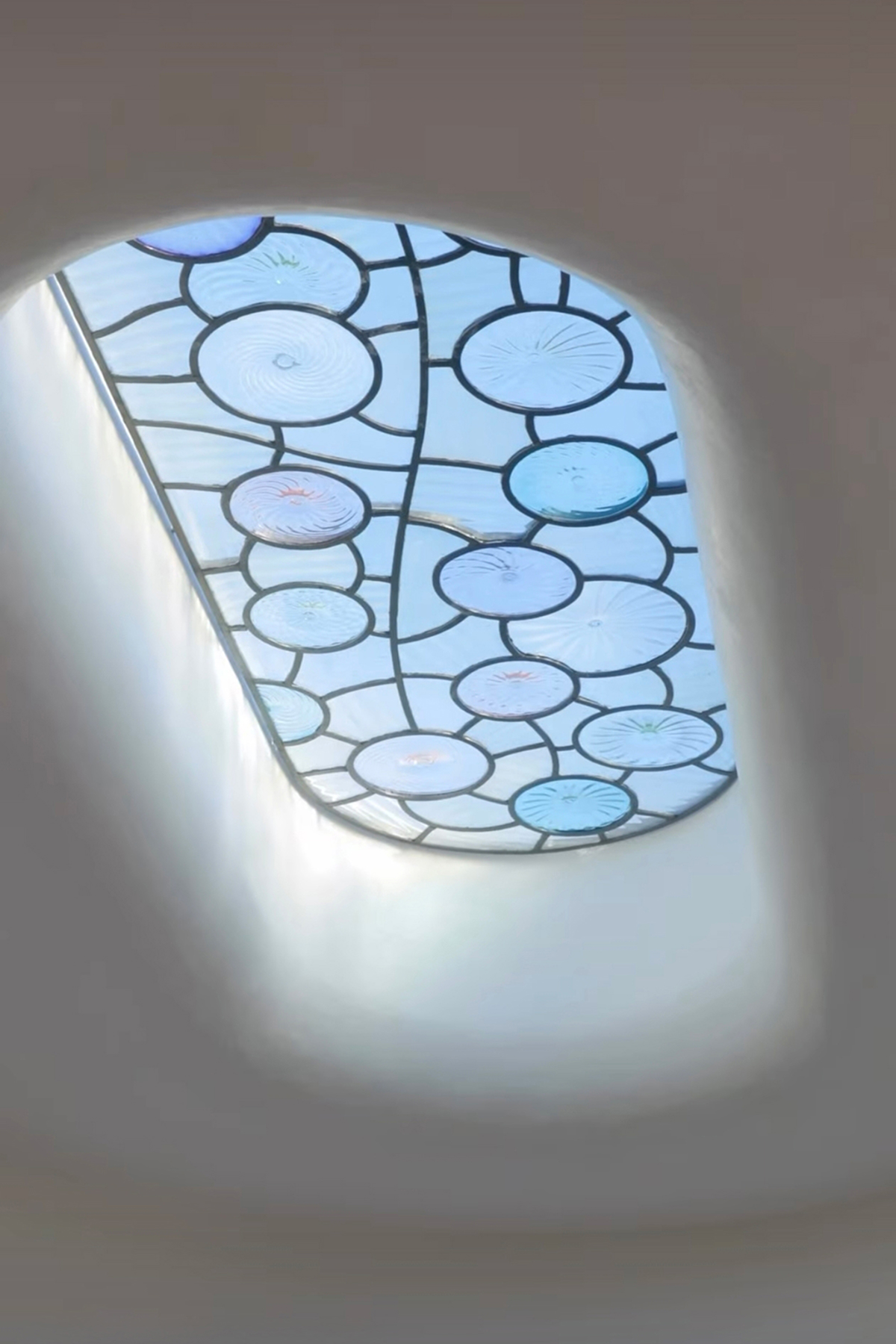
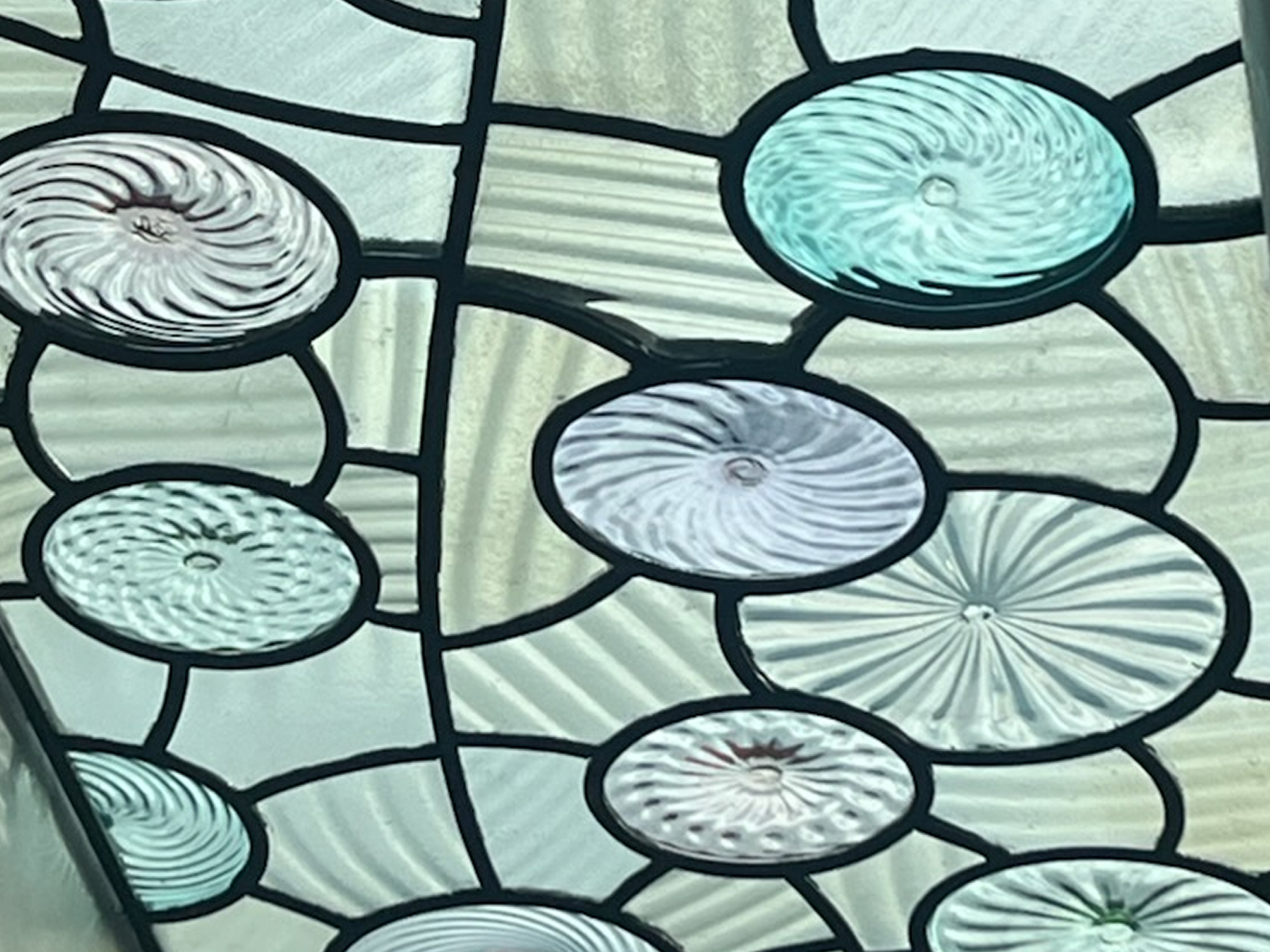
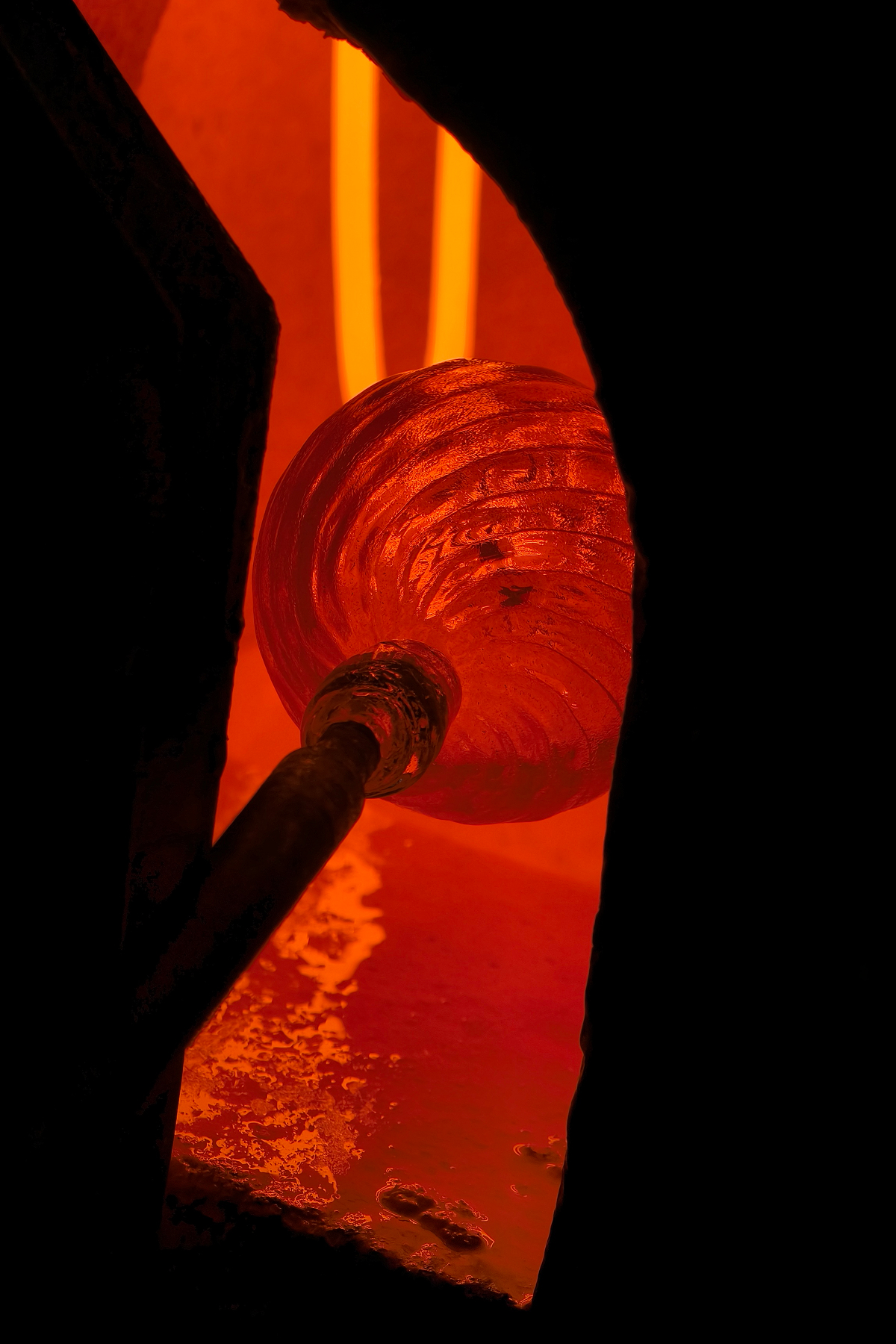
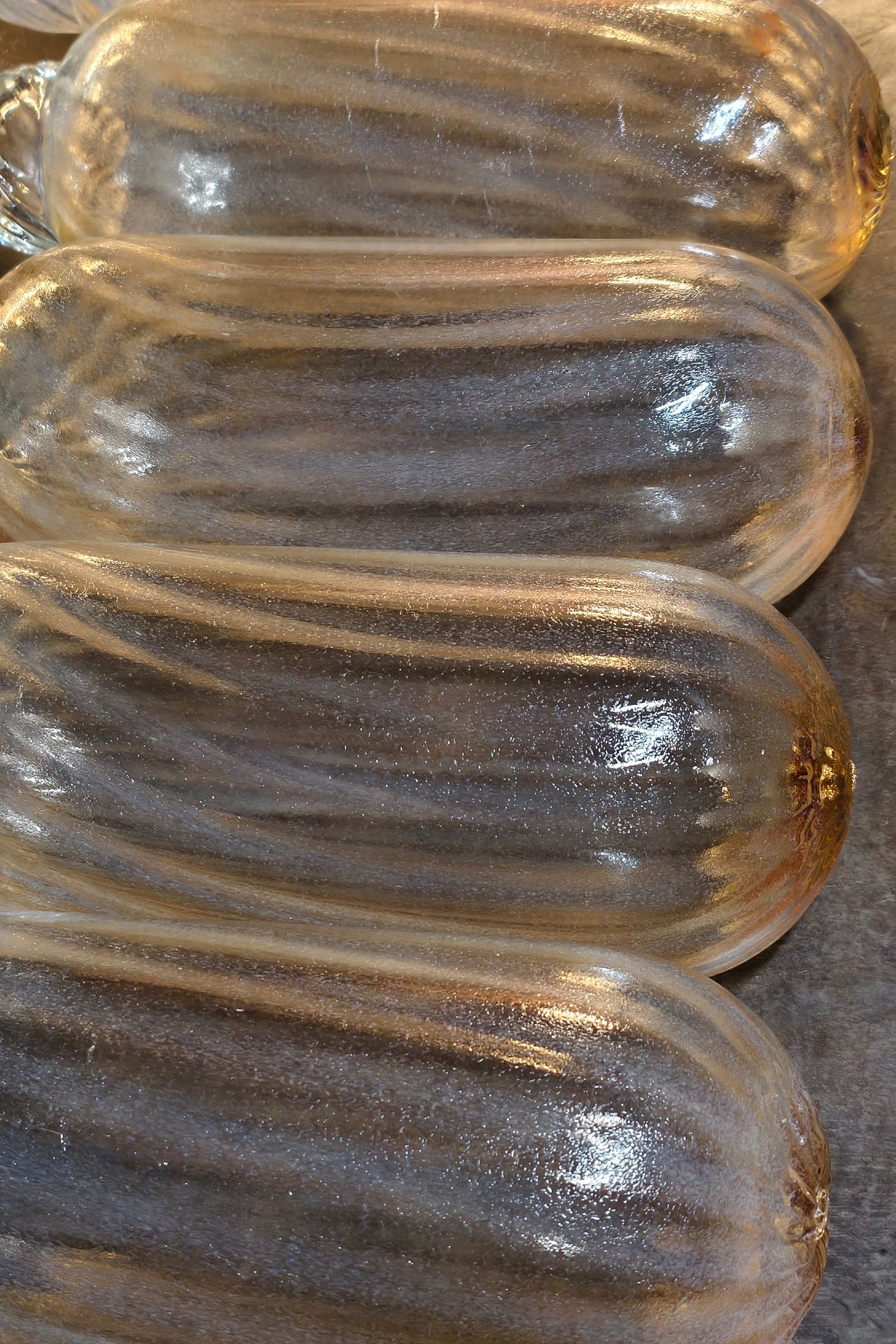
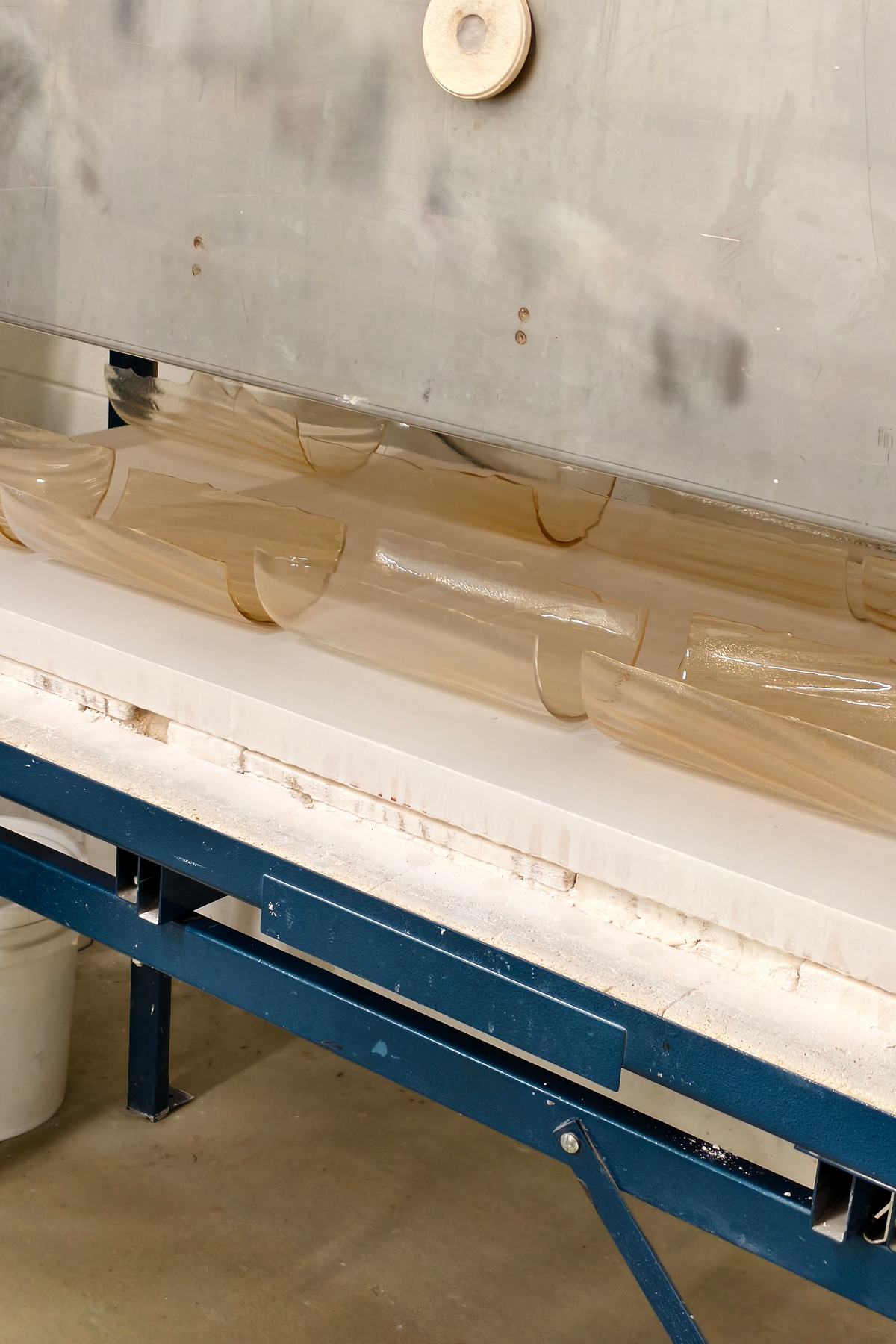
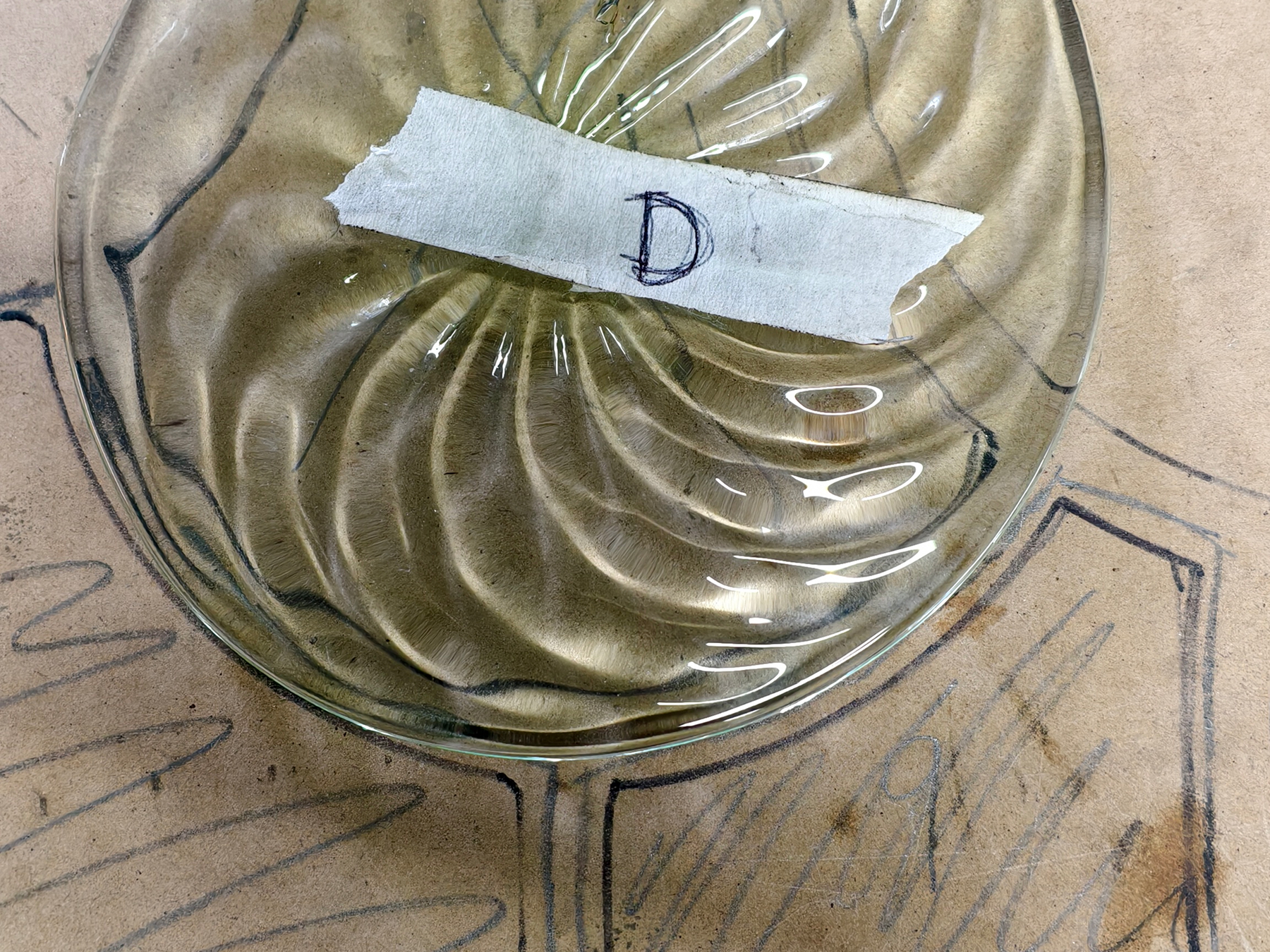
Rondels—formed by spinning molten glass into flat circular discs—were retained in their original round format, introducing a direct reference to early glassmaking traditions. Alongside these, blown cylinder glass was produced, cut and opened to form softer, irregular sheets. These elements were developed with a considered palette and subtle optical patterning, allowing variation in density and light transmission across the surface.
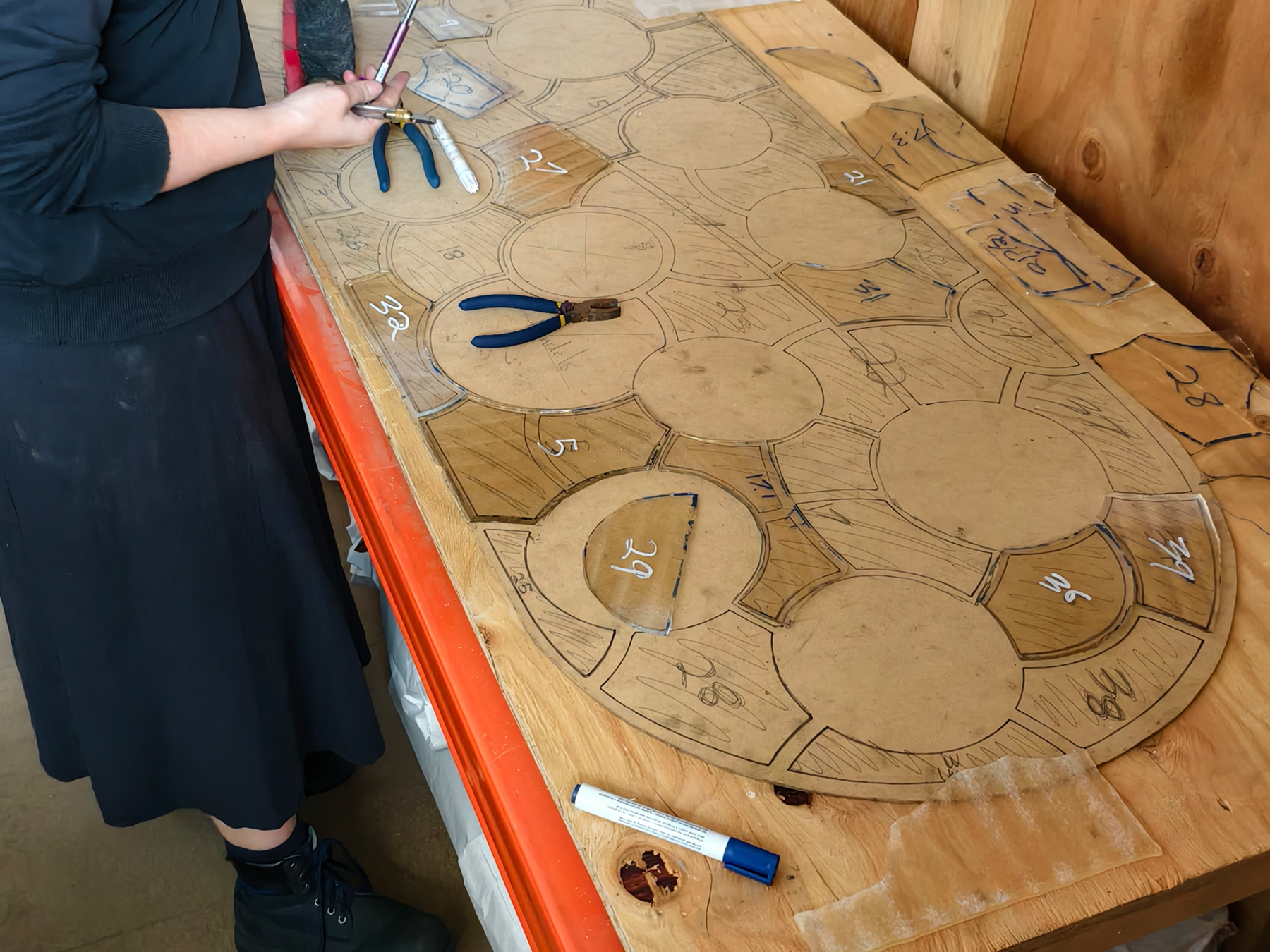
Each piece was then cut and assembled using traditional leadlight techniques, fitted into the pre-formed metal structure. In total, 82 individual glass elements make up the 2.3 x 1 metre skylight.
Installed within the home, the work responds to changing light conditions—shifting from a soft reflection of the sky and surrounding environment during the day, to a more pronounced expression of colour in lower light. The curvature of the composition echoes the interior architecture, aligning with Pandolfini’s use of soft, continuous forms throughout the space.

Dokola is located on the traditional lands of the Wurundjeri/Woiwurrung people of the Kulin Nation. We pay our respects to Elders both past and present, and recognise and respect their leadership as custodians of this land and as historically important local material innovators and craftpeople.